
A Year of Greater Freedom and Ministry Opportunity
By Pastor Jagan*, Country Director
“And my God will meet all your needs according to the riches of his glory in Christ Jesus.” Philippians 4:19

Bhutan at a Glance: Political, Societal, and Environmental Context
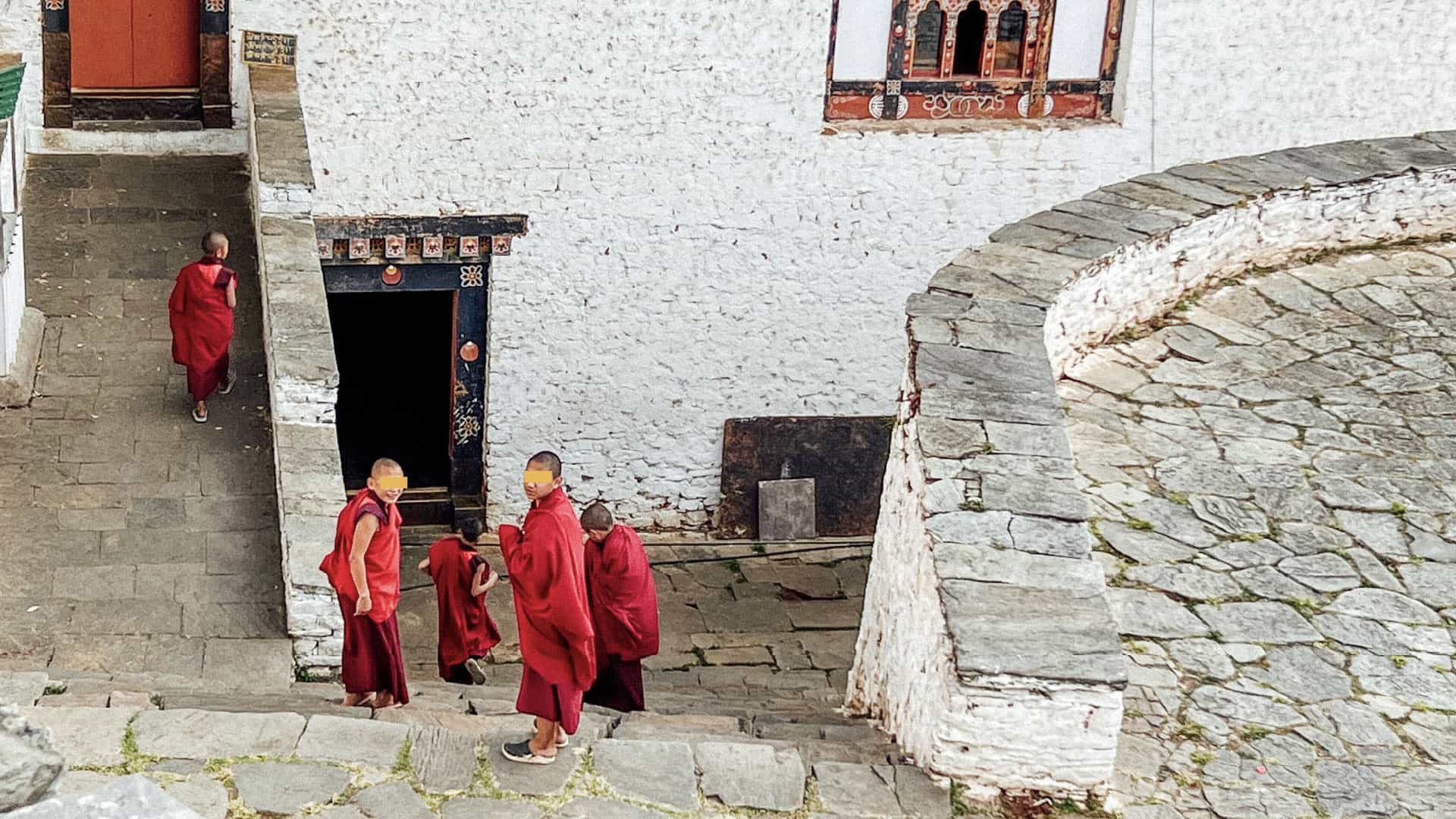
Bhutan is a small, Buddhist, Himalayan kingdom sandwiched between the world’s two most populous countries. In 2025, the country grappled with continued impacts of climate change on its sensitive mountain ecosystem—increased flooding and landslides, unpredictable weather harming the subsistence farming on which a large percentage of its population depends, and rising temperatures expanding the range of vector-borne diseases.
Christians are pressured to conform to Buddhist culture, and Christian groups have historically been banned from conducting public worship, evangelizing, or importing Christian literature. However, recent governmental changes lifted some of that pressure in 2025, giving believers hope for the future.
A Grateful Year
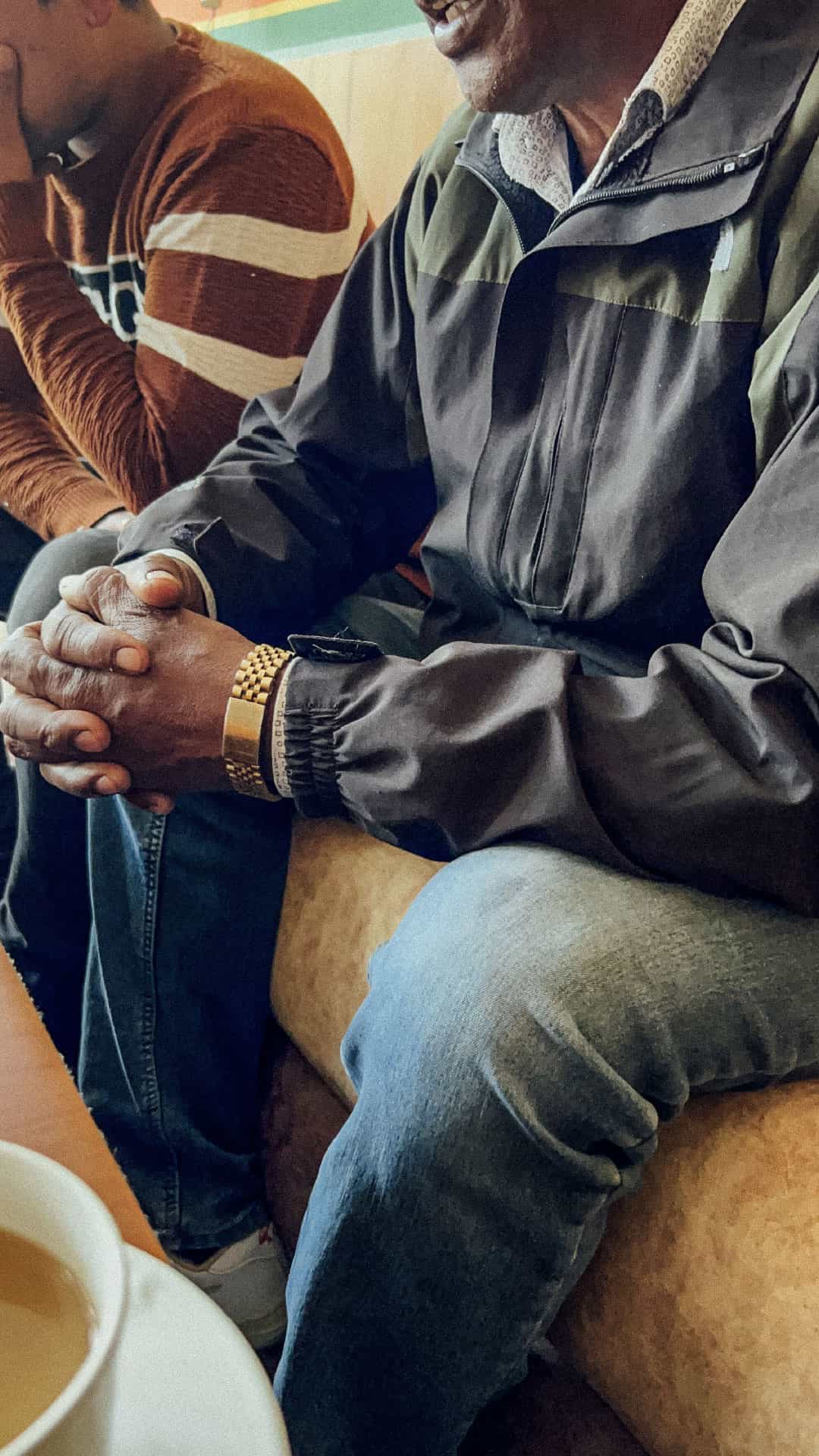
Philippians 4:19 beautifully emphasizes God’s provision and care for us.
God is the source of all our blessings and the one who governs everything in our lives. I am also confident that without Harvest Bridge’s support, our missionaries would not have achieved their goals in ministry, starting new fellowships, and reaching communities.
Our missionaries understood the need for more training and equipping themselves for a better future ministry. We could spend 15 whole days of training in two phases. God has opened doors to bless the children, youth and adults through the comic and picture Bibles, Nepali and English Bibles, and children’s Christmas packs. The most exciting thing among all of the events of the year was the Good and Evil Comic Book Bible. I really thank God, because it’s a historic kind of thing. God has enabled us to print a Bible, and now it’s very widely been distributed to 3,000 young people!
From Undocumented to Citizenship
In terms of government, it seems there was a paradigm shift this year after the 2024 elections. There was no political unrest in the country, everything went very smoothly.
I think I must explain this so that you can understand what I mean. See, in Bhutan, thousands of Nepalis were not given citizenship, despite being born and brought up and living here. So they were not having any citizenship officially. This includes our missionary, Dawa*. She was not having official citizenship, nor her children.
People like Dawa don’t exactly know what is going to happen in their life, because they don’t have any source of documentation. So, always a fear was gripping their hearts of what will happen next and what will happen to their children. In 2024, the government decided to give interviews and cross-checks and start to give citizenship. And this year, the highest number of citizenship approvals were given, including Dawa and all her children. They got officially the citizenship card, and they could make a passport immediately. So the scenario in the land seems to be more peaceful than ever. People were very happy. The government was not squeezing them anymore.
Dawa shares her experience: “Getting my citizenship card was my biggest prayer for many years. Living in this country without being recognized as a citizen made life very hard—not only for me but also for my children. Because of this census problem, I lost many things like my property; my health got worse, and I went through many struggles. But by God’s grace, this year, not only me but many others also received this blessing. Through our king’s decision, the census process moved forward . . . Now I feel proud to be a citizen of this country. I thank God from the bottom of my heart. This was my longest prayer request, and God answered it.”
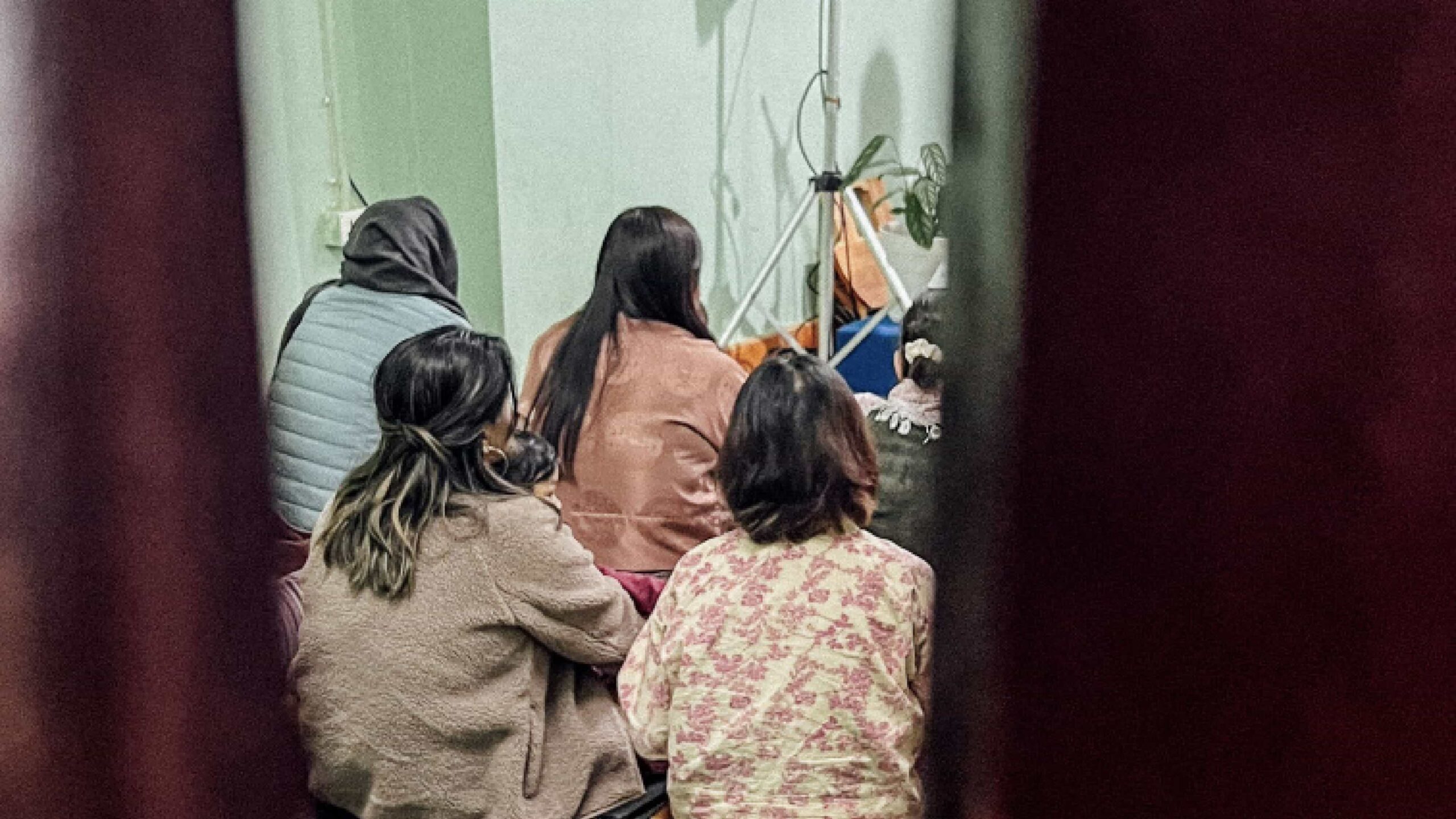
In ministry terms, the government usually is bringing circulations of do’s and don’ts—saying not to gather, that they are tightening control, etc. In 2024 there were a lot of open persecutions, but 2025 seemed to be very peaceful—it seems the government was going mild with everyone.
Encouraging Economic Development
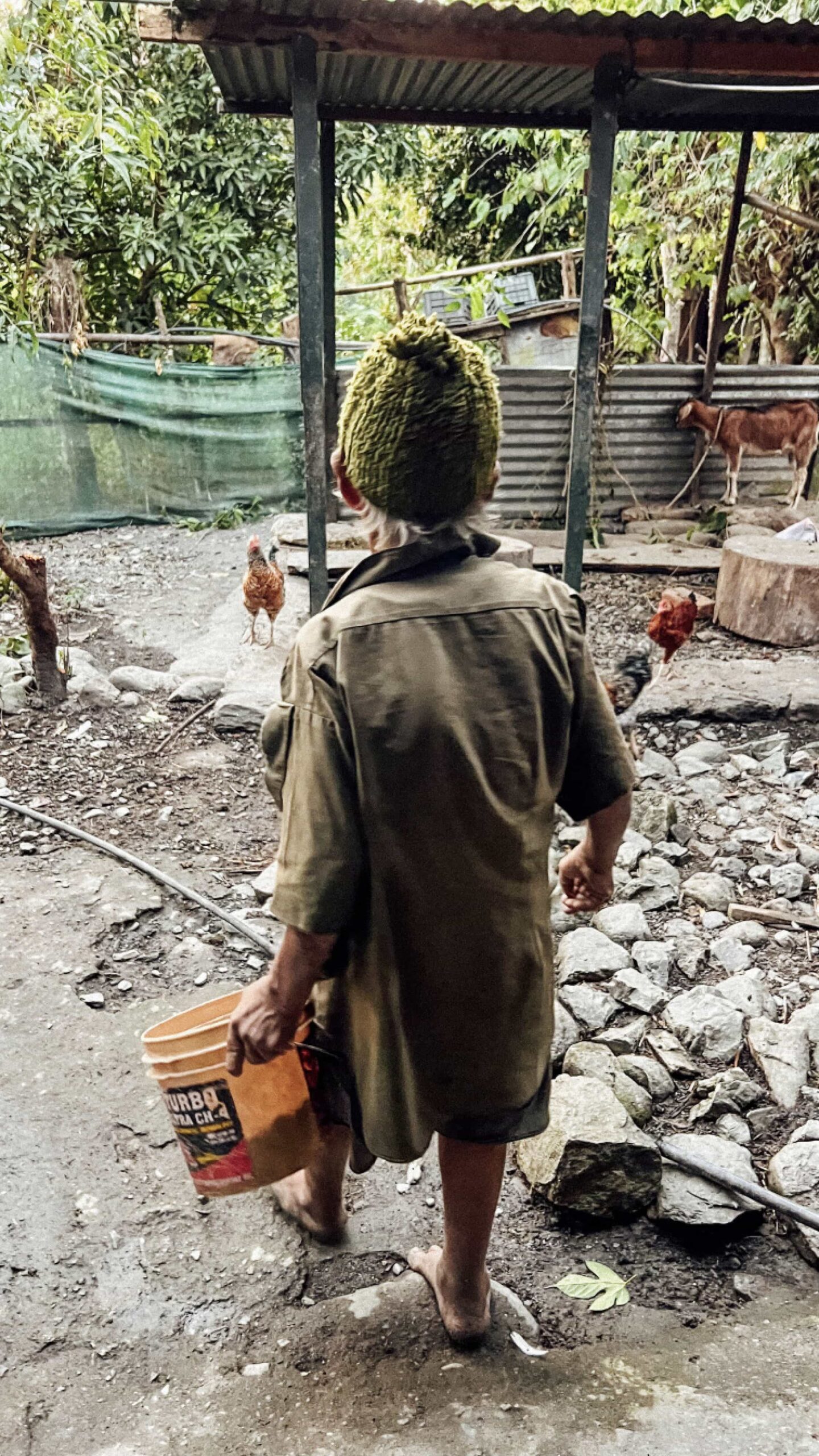
This year we provided vocational training to help leaders gain skills and create income opportunities.
We have emphasized on the sustainable agriculture practices to grow their own food and sell any surplus. These efforts can significantly enhance their livelihoods and community resilience. Two more leaders have begun small businesses through the economic development program, including goat and pig farming. Recipients from past years said this:
“This [baking] project has opened avenues and opportunities to get to know new people and develop relationships.” —Dawa
“I am blessed, as this [Christian bookshop] project has been a great help in meeting the pressing financial needs of my family.” —Raj*
“[The pig rearing] helped me adopt a hard working culture and to trust the LORD more for finances.”
—Sovay*
“My [Christian bookshop] project has helped to polish my networking skills and develop a friendship with believers, churches and leaders all over the country.” —Tashi*
“The [farming] project has boosted income-generating opportunities
for me and opened up doors for employment for a few members of the fellowship of my church.”
—Phuntsho*
“Getting my citizenship card was my biggest prayer for many years . . . This was my longest prayer request, and God answered it.”
Celebrating and Learning from the Life of a Spiritual Father
This past year, though a year of blessing, the sudden demise of [missionary] Lhamo’s* toddler son by food poisoning, followed by her father and our missionary, Pastor Pema* passing away has shaken the mind.
Pastor Pema could not bear the pain of the sudden demise of his grandson. He developed cardiac arrest and went to be with the Lord. He was 81. For most of us, it took over 50 days to come out of that depressed feeling. Pema was a tireless pioneer and evangelist. His legacy will live on through the countless lives he touched for God’s kingdom.
You know, Pastor Pema had a great testimony. He was an army guy. Then he came to know about the Lord and he became passionate for God and a very tireless pioneer. The place where he stays was surrounded by three temples and monasteries. It was at a very high altitude. He walked like a mad guy to reach people. And he can very easily connect with anybody. Moreover, he’s a very cheerful man. He always had that extra patience. That speaks volumes.
Pastor Pema submitted a final six month report the week before he died:
“In the last six months, our ministry has been active in many ways. We have Sunday service every week where we worship, pray, and listen to God’s word together. We also have Sunday school for children where they learn Bible stories, songs, and how to pray. Every week we also have youth fellowship. The young people come together to study the Bible, sing, and encourage each other. We also had a youth seminar. In that program, we trained and taught the youths how to be good leaders and how to serve God. On Saturdays, we have a sister fellowship where women meet to pray, share testimonies, and study the Bible. Our team also visits families and villages to share the Gospel and pray for people. Through these activities, many have grown in faith and have become more active in serving the Lord.”
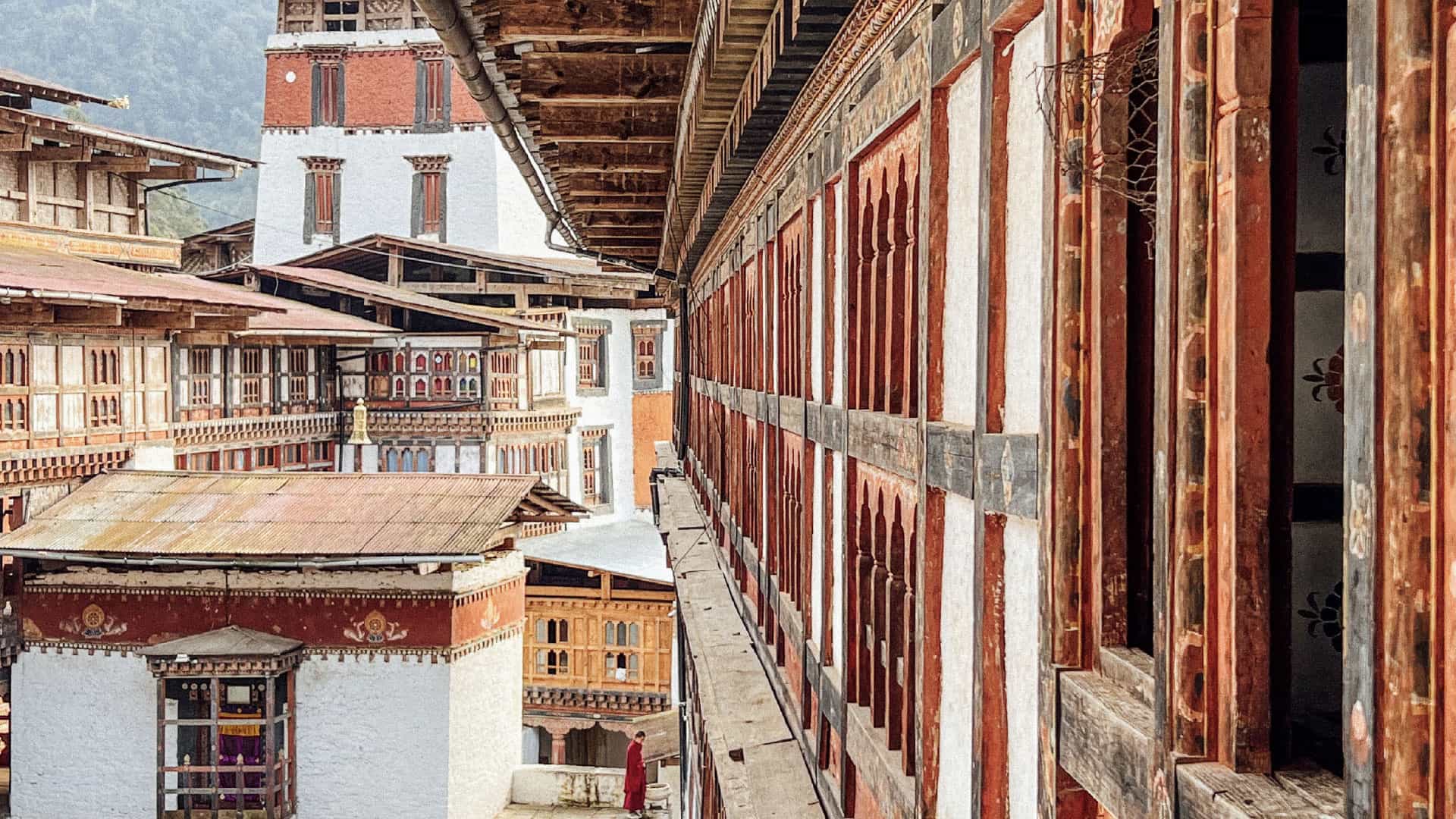
10 years before, I found out something in Pastor Pema’s mind in one meeting—that we should not westernize things. Rather, we should try to localize things. So the religious symbols, all those things we need to make like national [style]. So he came out with the tailoring—he was a very good tailor. The Bhutanese, what woven art they make, they hang in their homes. So he did the same. Instead of putting the Bhutanese and Buddhist symbols, he put Bhutanese-style Christian pictures. His setup itself is like the local kind of setup. So people—even Buddhist people—they used to bring sick people for prayer. His influence is very high.
So we need to really follow his footsteps. Because he was an old man who can climb mountains for reaching people and go and serve the cause. The youngsters need to learn a lesson. So, we prayed and I gave time for others to say, “what influence did he make in your life?” It was really wonderful, and I really thank God for his life.
As we look ahead to 2026, we are filled with excitement to intensify evangelism efforts aimed at reaching more unreached communities. Establish new house churches, preaching points, house visiting, and fellowships in key locations. And provide training and more Gospel resources to empower more leaders in their discipleship efforts. Pastor Pema’s final report asked you to pray for the following: “Pray for spiritual growth and faith in the ministry. Pray for wisdom, unity, and guidance for leaders and the team. Pray for provision, protection, and opportunities to serve others.”
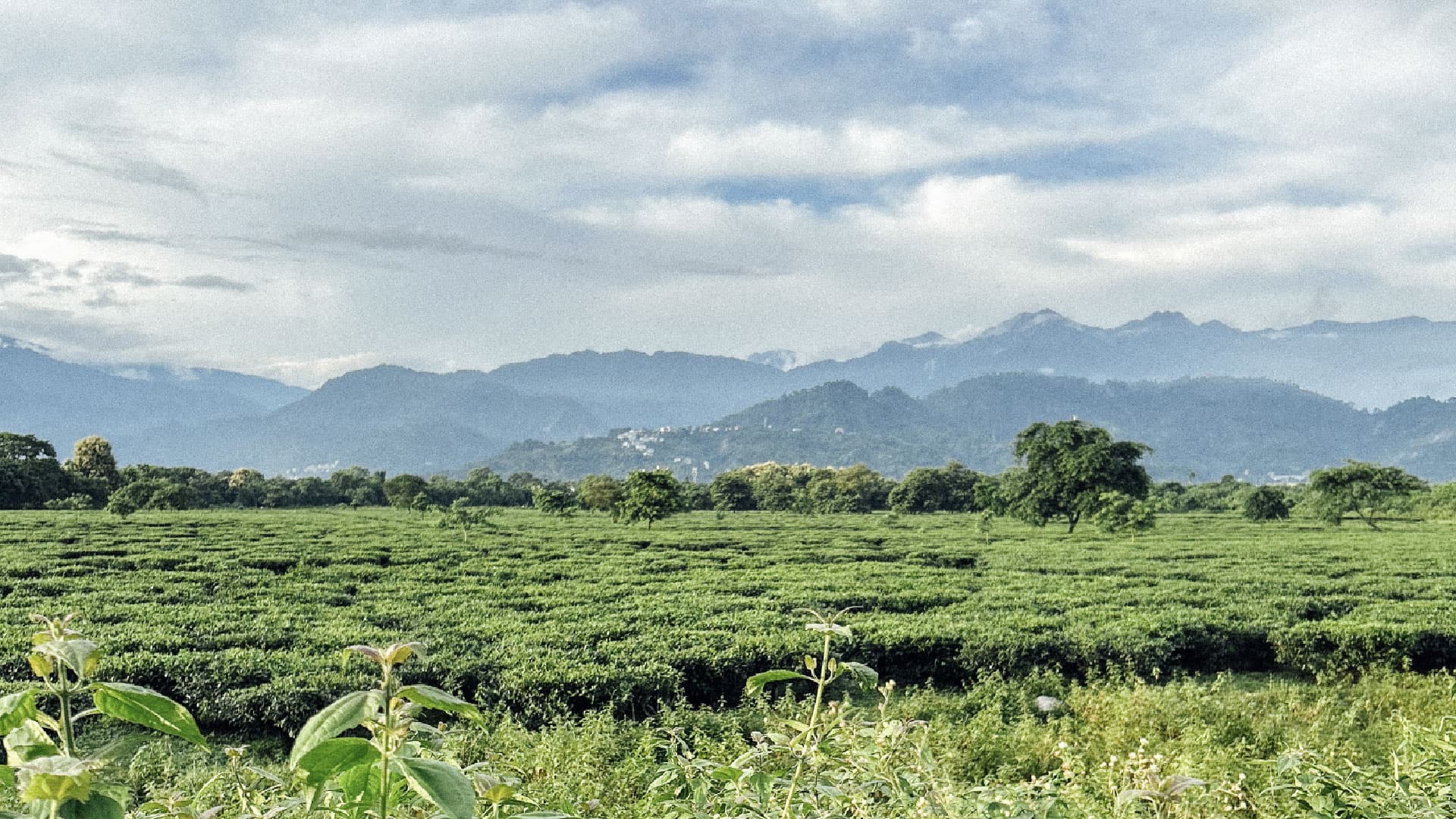
“As we look ahead to 2026, we are filled with excitement to intensify evangelism efforts aimed at reaching more unreached communities.”
Devotional
Throughout this report from Bhutan we see believers trusting God through answered prayers, growing ministry opportunities, and the faithful legacy of leaders who served until the very end. Their stories point to the promise of Philippians 4:19, that God will
provide all that His people need.
1. Thousands of Nepalis born and raised in Bhutan were not recognized as citizens, living in fear of what would happen to them or their children. In the United States, debates around immigration are often politicized. How does Dawa’s story help us see the human side of living without legal recognition? How might it shape the way we pray, speak, and respond to similar challenges in our own nation?
2. Pastor Pema intentionally avoided “westernizing” Christianity and instead used Bhutanese woven art styles with Christian imagery so that the faith felt culturally rooted. In what ways might we unintentionally equate our own cultural expressions of Christianity with the Gospel itself? How can we personally grow in humility by learning from other cultures and denominations, allowing our faith to be enriched rather than assuming our way is the only way?
3. Pastor Pema submitted his last ministry report just one week before he died. What does his faithfulness teach us about perseverance? If you knew you had limited time left, what would you want your final “report” of faithfulness to look like?