
A Grateful Year During Times of Difficulty
By Pastor Darpan*, Country Director
“In the presence of God and of Christ Jesus, who will judge the living and the dead, and in view of his appearing and his kingdom, I give you this charge: Preach the word; be prepared in season and out of season; correct, rebuke and encourage—with great patience and careful instruction . . . But you, keep your head in all situations, endure hardship, do the work of an evangelist, discharge all the duties of your ministry.” 2 Timothy 4:1-2, 5
Bangladesh at a Glance: Political, Societal, and Environmental Context
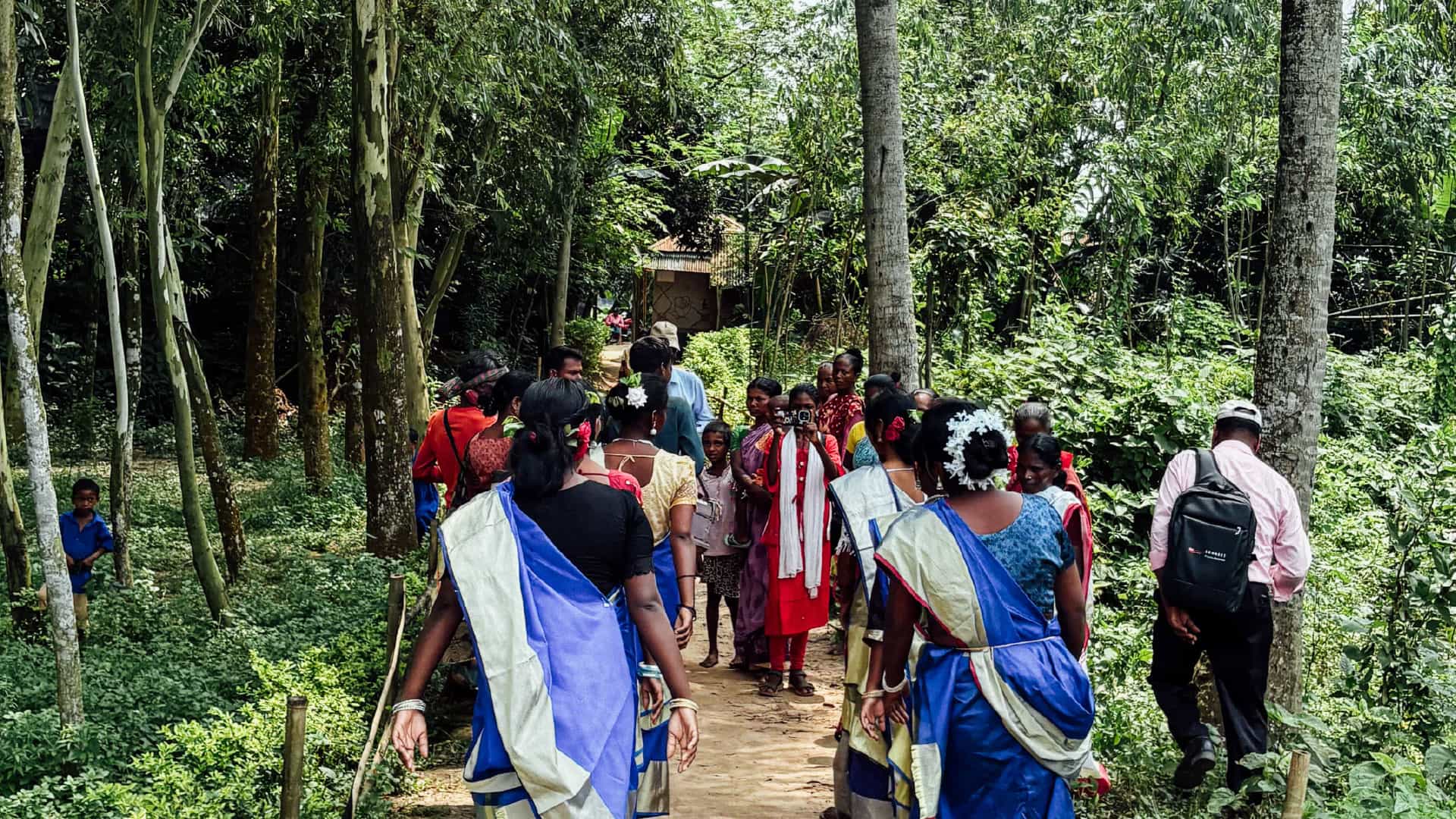
Following a turbulent year in 2024, when its increasingly autocratic government was overthrown by a student-led protest movement, 2025 in Bangladesh was marked by continued uncertainty and instability but also by hope for the country’s future. The interim government, led by Nobel Peace Prize winner Muhammad Yunus, scheduled elections for February 12th, 2026. Looking ahead, Bangladesh faces various challenges in bringing justice and accountability for the overthrown regime’s abuses while building an inclusive country for all, including its religious minorities.
The country continues to grapple with other issues as well, including high vulnerability to climate change and natural disasters, labor abuses in its garment industry, persistent poverty, and human trafficking. But amid these uncertainties, there remain numerous openings for the country’s small Christian minority to proclaim and demonstrate the Gospel.
A Grateful Year
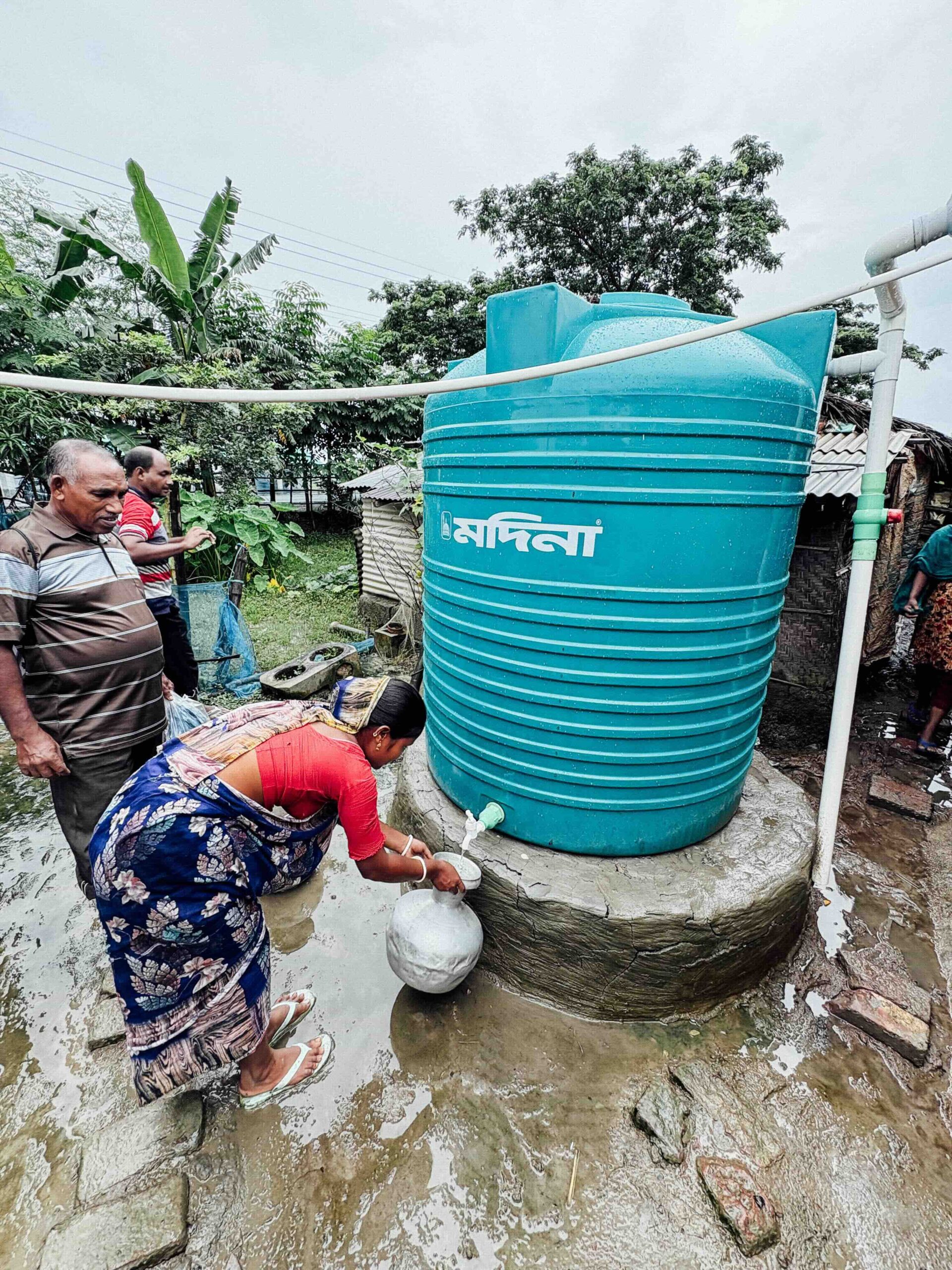
It was a most grateful year of 2025 to run a ministry like ours, as a fully indigenous church ministry. It was an exciting year. There were also a lot of difficulties.
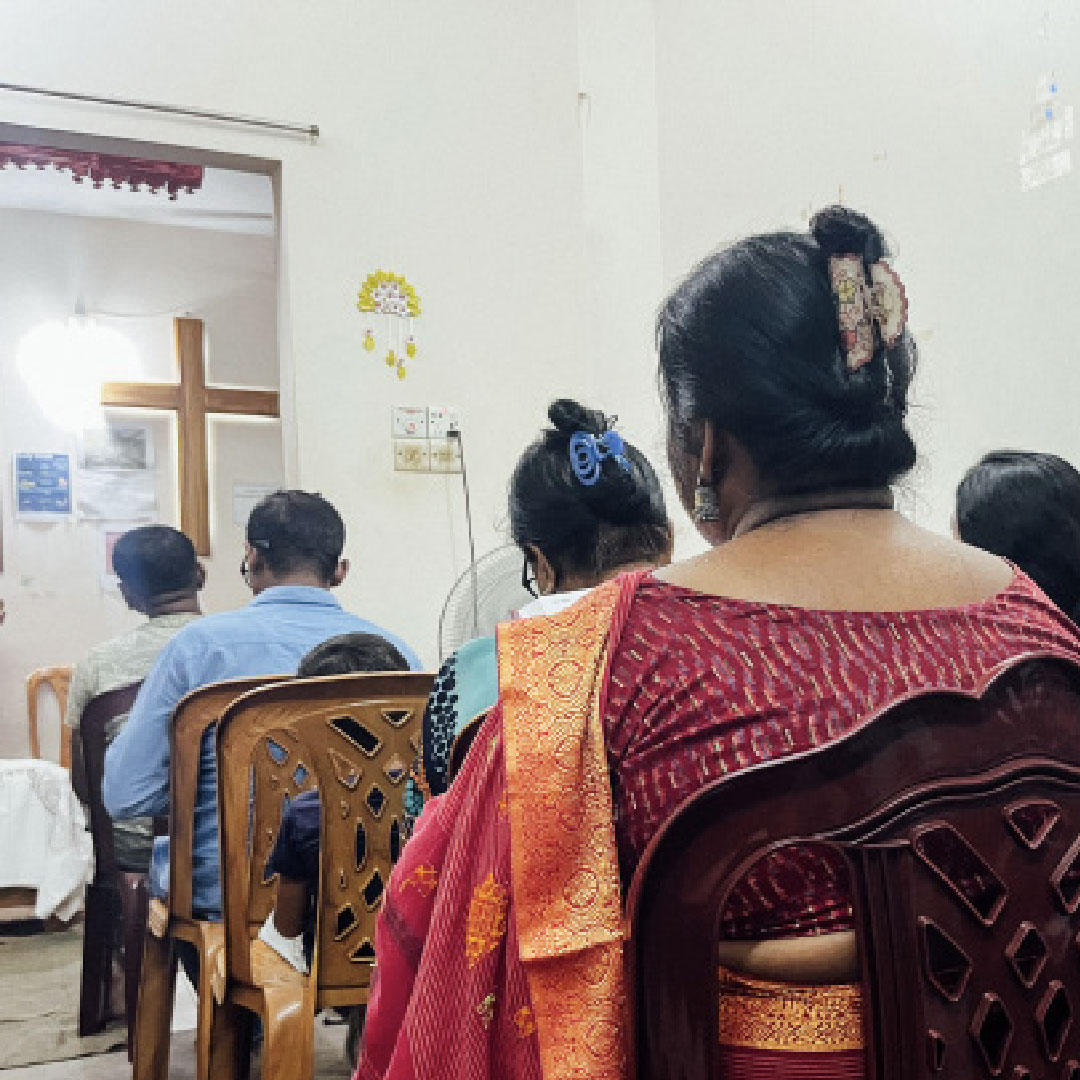
Political conflict fully made the whole country uncertain and conflicted. Death is an everyday fact, and the most terrible news was our daily news. The national election was at our doorstep, but it may lead to a bad situation. Islamic fundamentalists were opposed to independent Bangladesh, and they were encouraged to hold the ruling power and not to care about the interim government. That’s why persecution has been increased. Minorities were attacked, police who were loyal to the former government were attacked, rape and lawlessness took place. Mob violence influenced everything, and evangelism was totally stopped at times because missionaries had pressure and I told them to keep quiet and be silent during extremist attacks. [These attacks] devastated different areas, where they were burning Christian houses, church buildings, killing the Hindu people, and pressuring different political supporters. So, the evangelism was not increased, but regular worship continued. For example, Martha* shares,
“In the last six months, I wasn’t harmed physically in any way, but there were many insults that came my way. In the past, going to people and talking about Jesus was much easier. But nowadays, it has become difficult to approach someone with the Gospel because people soon start reacting, making a crowd, and creating a critical situation. Wherever we go, we face Muslim extremists in our way. The way they talk to us is very aggressive and harsh. They even threaten to kill people. Still now, when we approach women with the Gospel, they show disinterest because of the patriarchal nature of our society and the family pressure. We also met some people who were welcoming of the Gospel. That’s why we have still been able to continue our work in that area. God has answered our prayers in different ways in the last few months. I thank the Lord for the financial support we received, for which we have survived serious trouble. In this unstable situation of the country, we have still been going to different areas for preaching.”
Milu’s Ministry
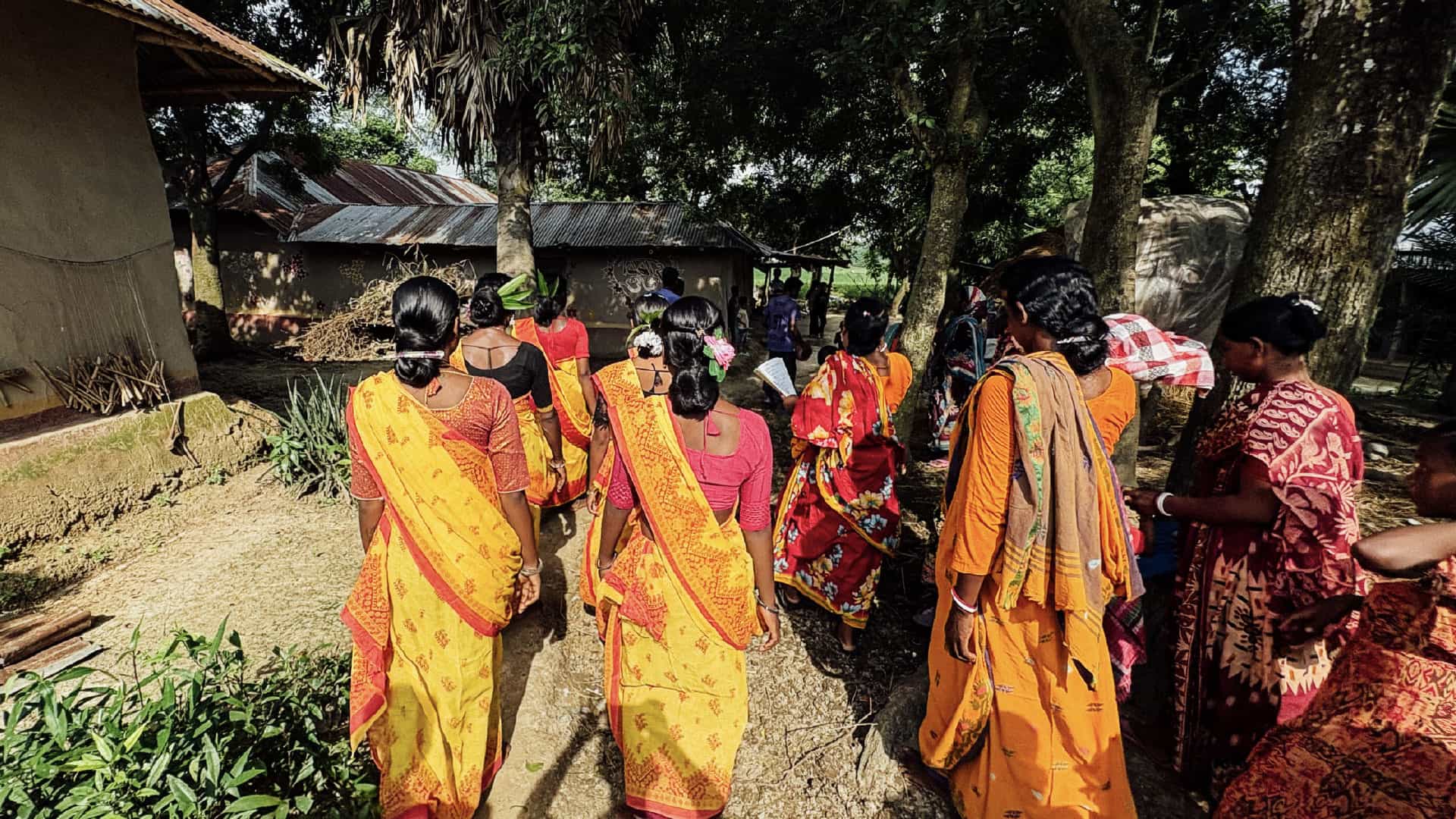
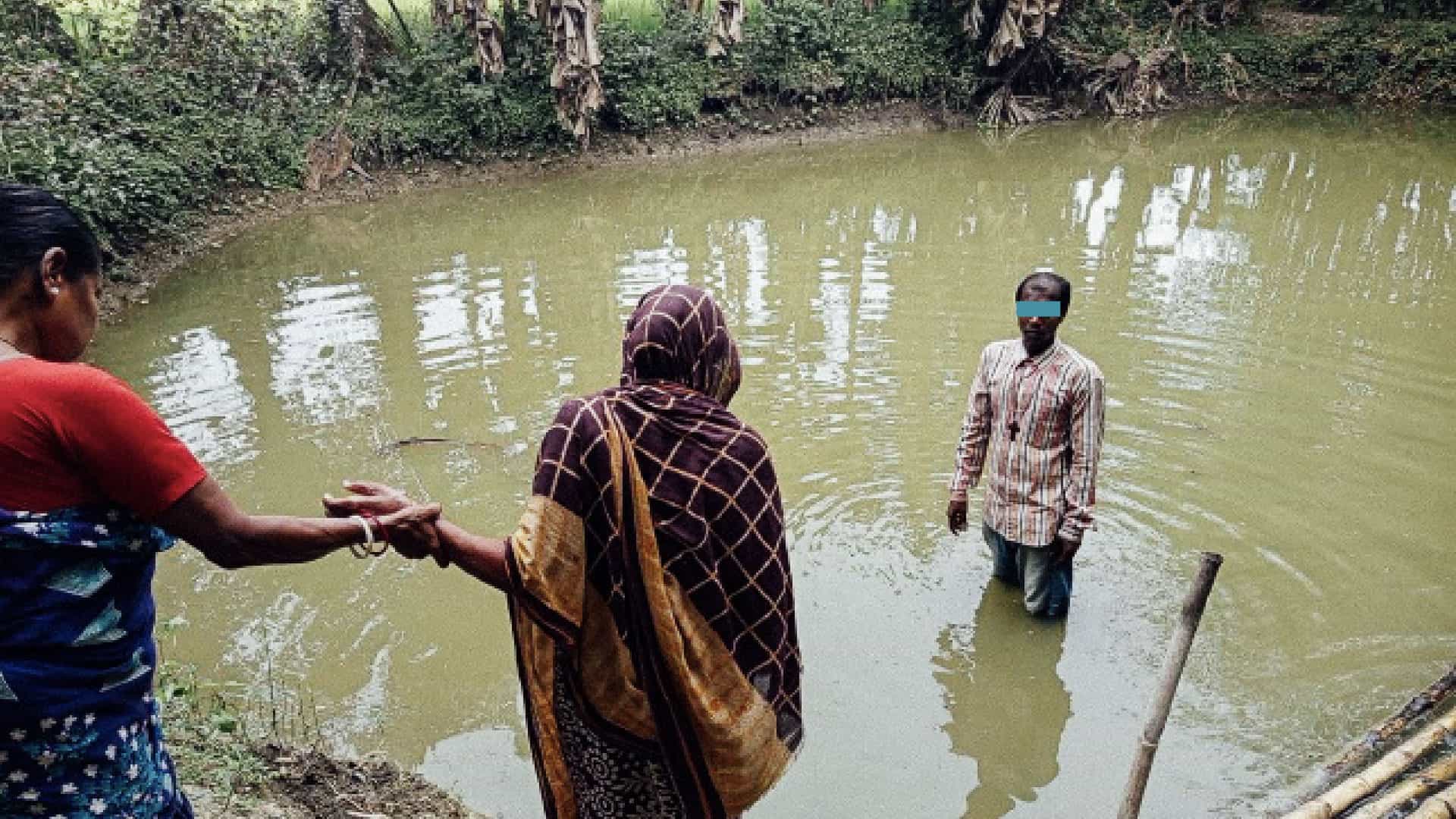
And Milu* explains her ministry: “I am thankful for the chance I received to work for God’s Kingdom. I still see His mercy and blessings in my life every day. My work has been mostly preaching, assisting in baptism class, and serving the new believers through prayers and support. In [one place], I was able to share the Good News among 50 people, most of whom were women. With two coworkers, I went to some homes and prayed over the families for providence, healing, peace, and, most importantly, for salvation. In [another village], there was a massive baptism ceremony where I assisted a coworker in baptizing 83 people. We had regularly spent time with them in Bible studies and prayers. Besides this, I have travelled to [another] area where I prayed for about 40 new believers, who have been cast out of their families. Also, I have been helping in our church through women’s fellowships, Bible studies, and prayer meetings.”
Standing By Victims of Natural Disasters
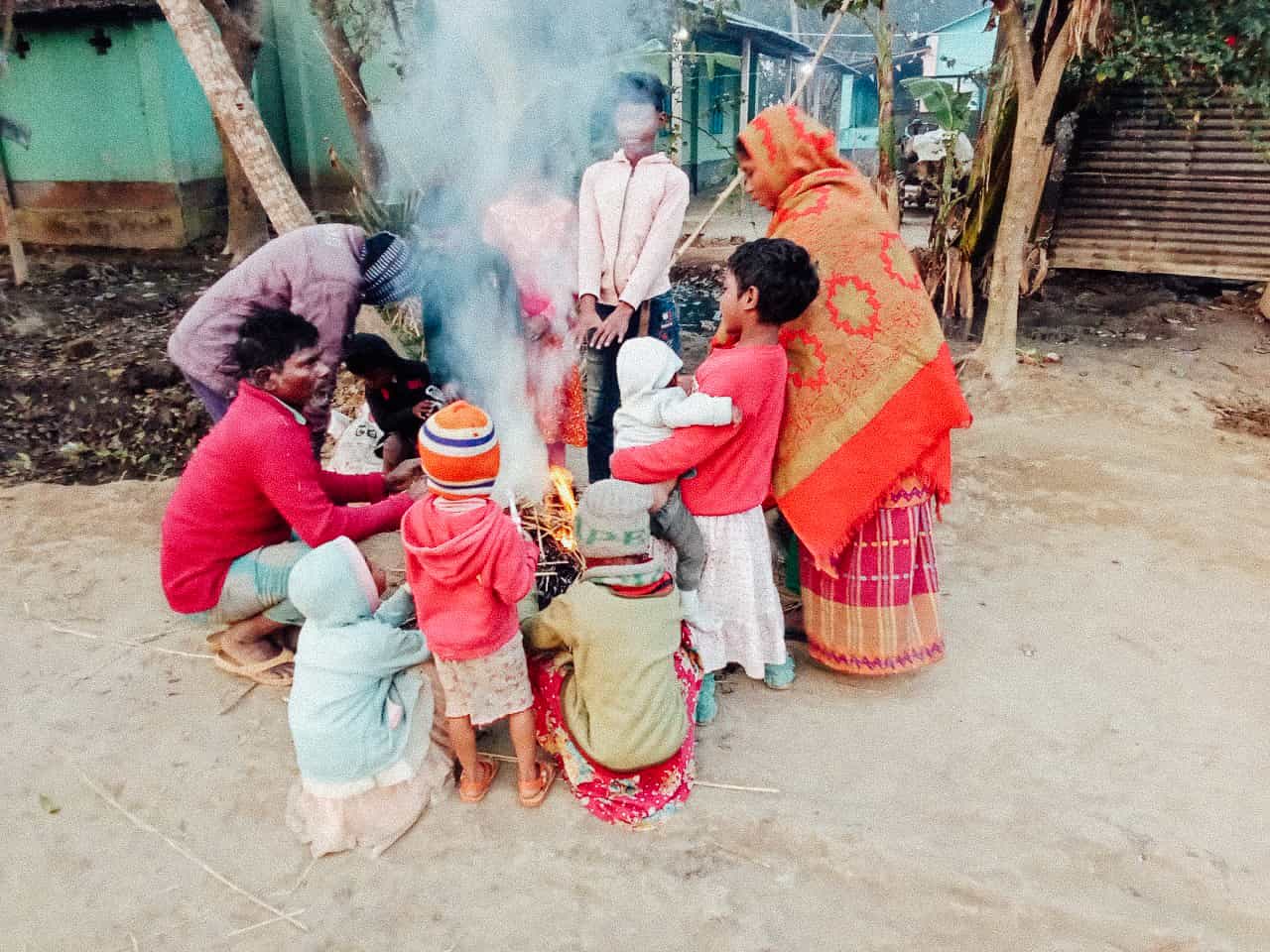
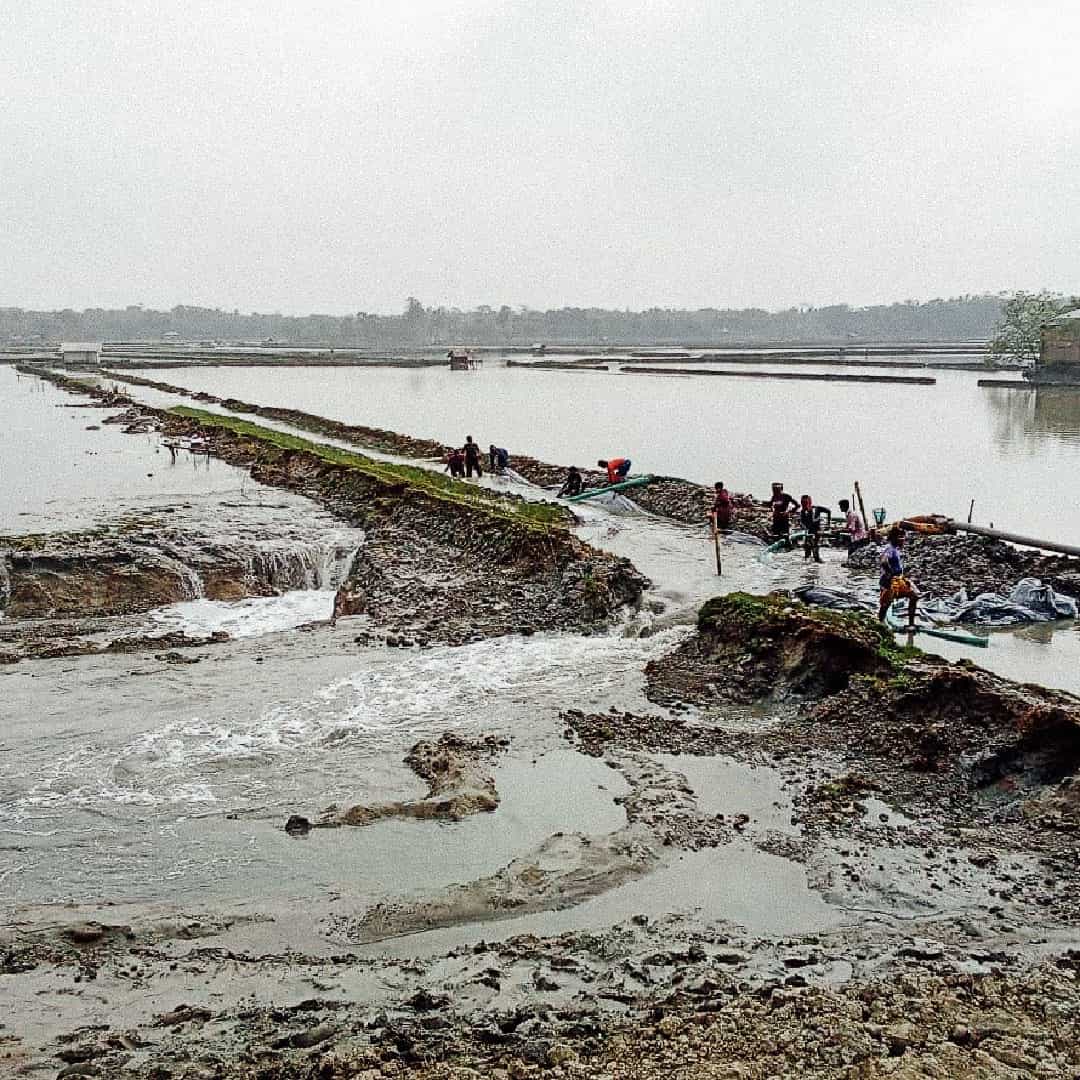
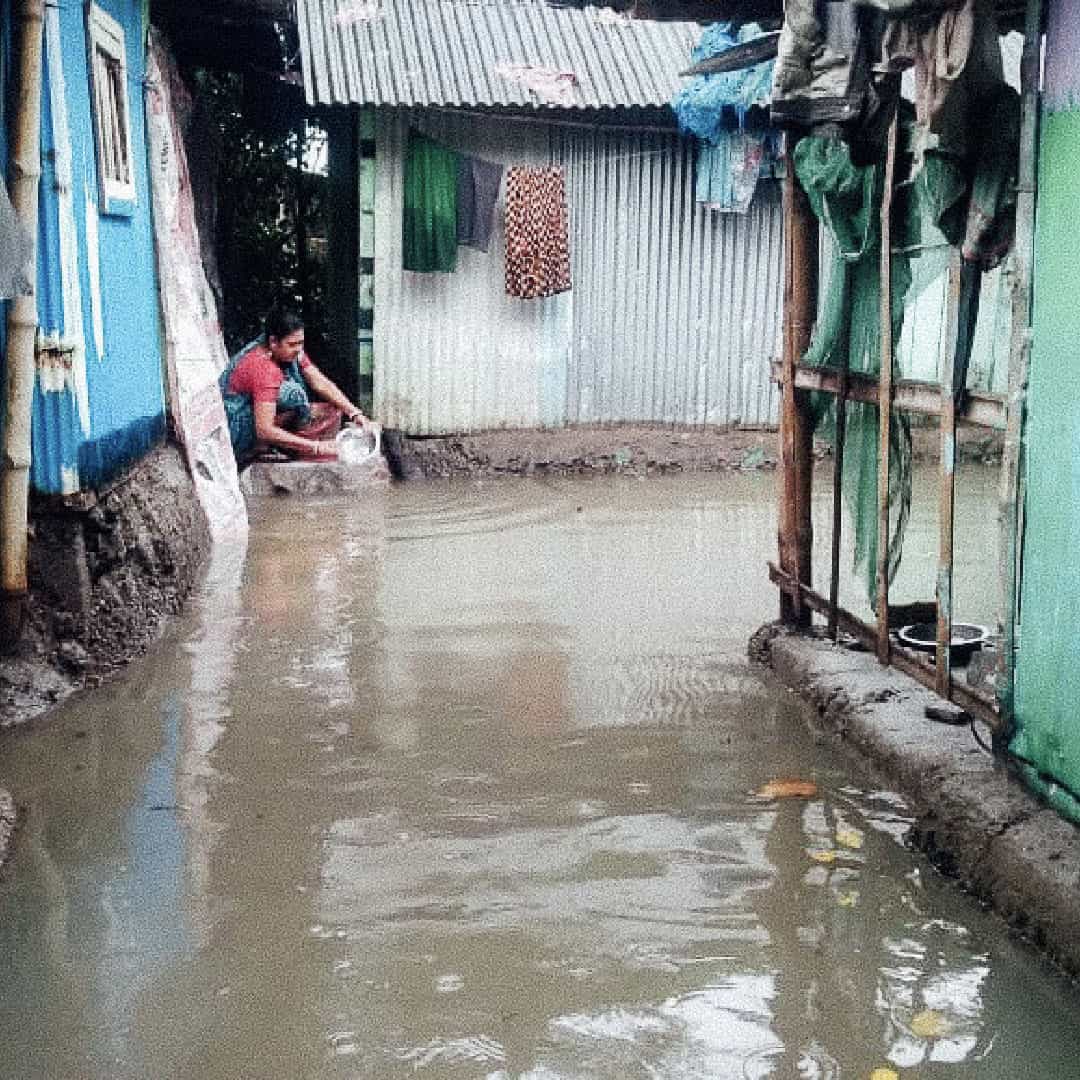
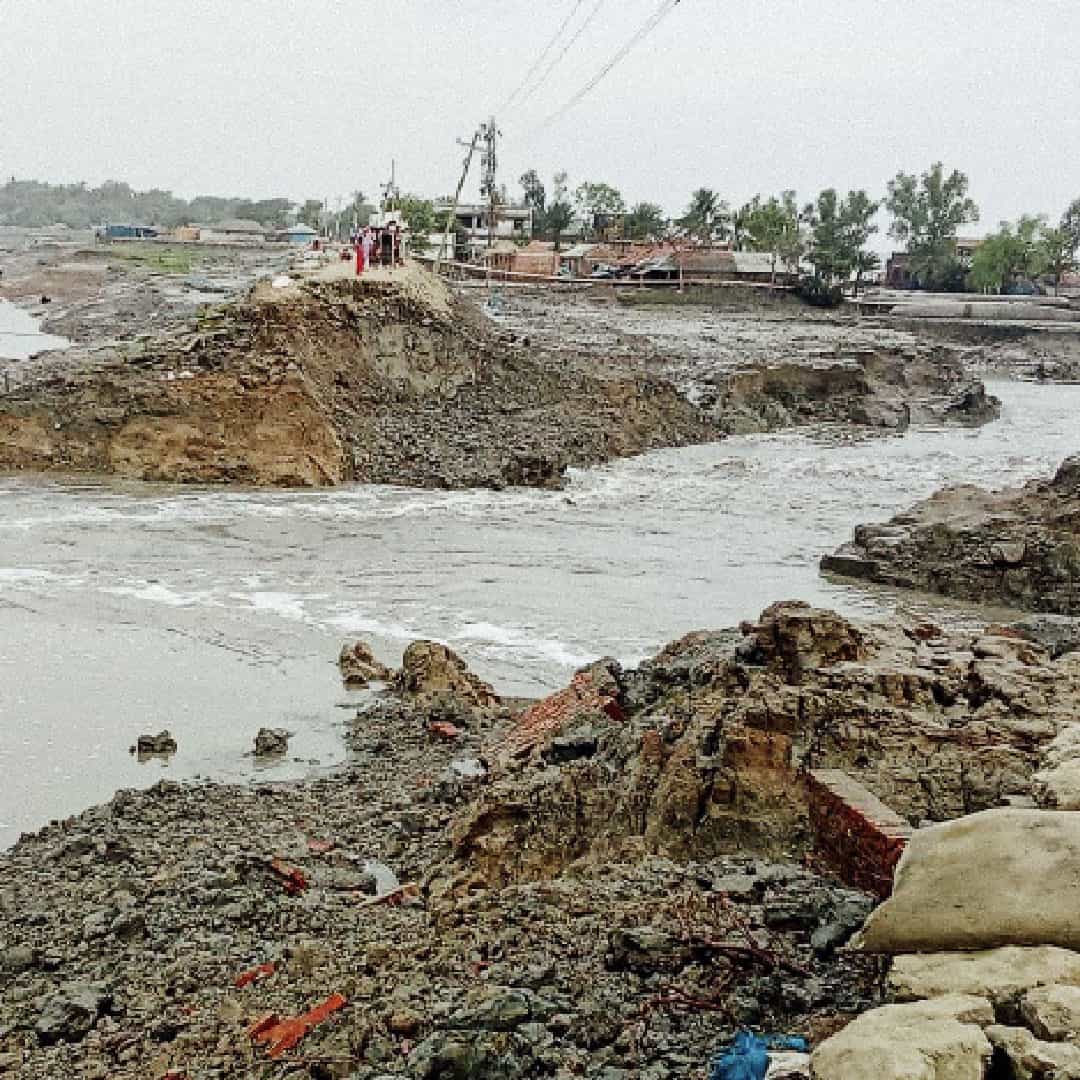
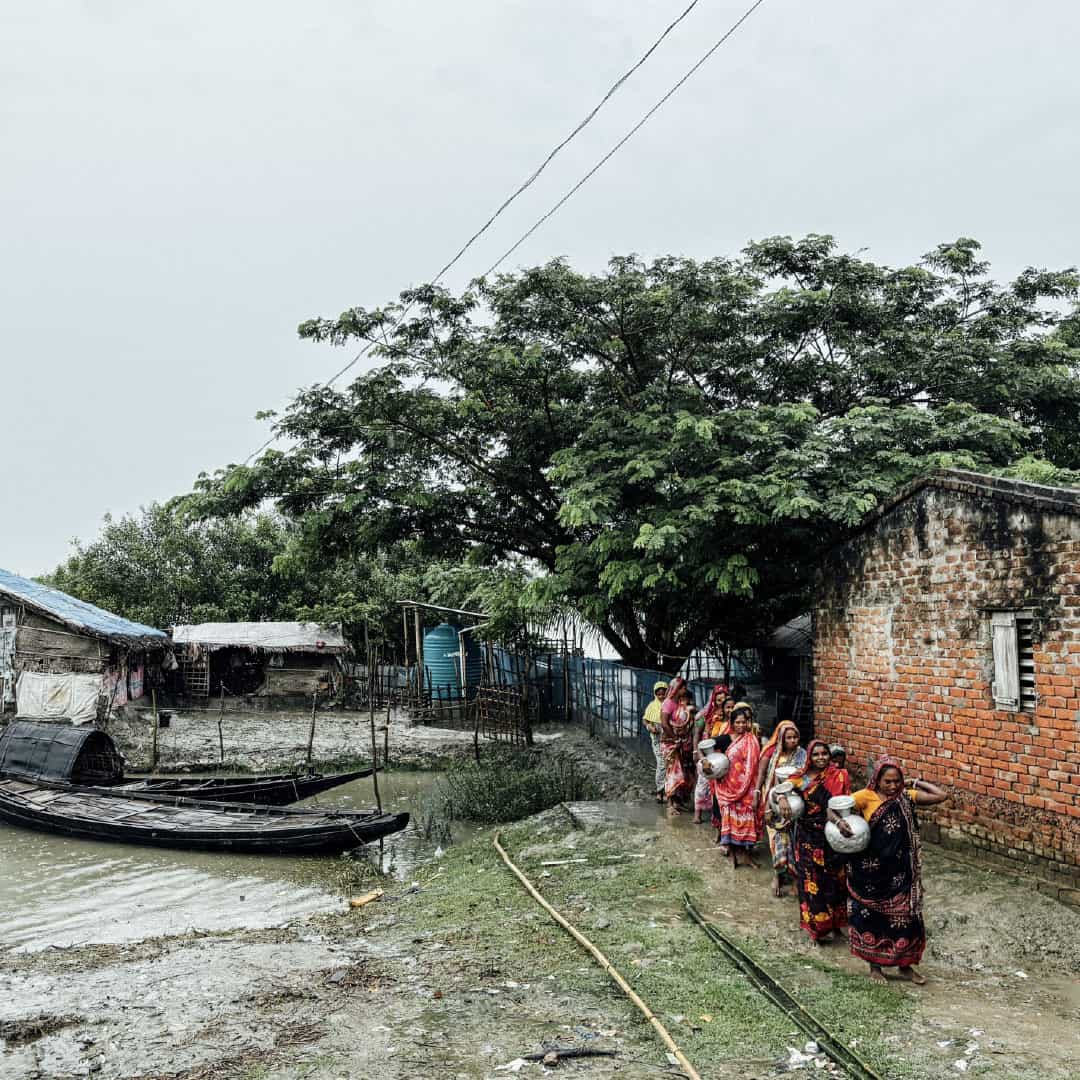
There were big disasters that hit the country. In general, heavy rains, high waves, cyclones, etc. hit Bangladesh (mainly its southern part), as it is a delta of southern Asia. It made the people’s lives very destructive—people became homeless and stayed at the roadsides and under trees, some took shelter in cyclone shelters, many cattle died, all the fish ponds also were submerged for long days, and the crops and fish ponds were spoiled. As a result, people suffered as their income sources were destroyed. Stealing and robbery by bandits increased, to make their lives more destroyed. Our ministry considered ourselves bound to stand beside the community victims. We shared to my holy-hearted people of Harvest Bridge, and we were able to stand beside the said distressed and devastated communities, providing relief for 580 families.
One recipient, Mrs. Das*, is a widow living with her son and two daughters. Usually, they live hand to mouth by selling their day labor to others’ fish ponds and sometimes by cultivating the crops. This family was meeting their expenditures by using their physical hands. The Almighty kept them steady, but they did not have any savings. Due to the unexpected heavy rains and swamp water, they stayed home idly with their family members. She and her son moved door to door for borrowing money, but could not gain much. As they had 3 goats, they sold them at a very low price to survive in this time when they could not sell their labor. Due to these circumstances, they wondered where they will go. It was the last day to live on the little they had – but then they got a relief pack from our team. She became so happy and got a new breath by the blessings of Christian love. She was describing her affection with tears, assuring that there is a living Lord and the Christians are very good to provide their love at the very crucial moment, as it was a new life and great blessing.
“We were able to stand beside the said distressed and devastated communities, providing relief for 580 families.”
Investing in Economic Resilience for Missionaries
The inflation on all sides, like commodities and other material prices, went most high and could not be met by people from the middle class to the poorest of the poor. Our missionaries and their communities are 100% affected in their daily life. Their standard of living went down very badly. Not only grocery and commodity prices, but medicine prices were hiked up, nearly double from previously.
The 13 missionaries who received economic grants [in the last few years] have been working to become self-supported, side by side with serving the Lord. Everyone is successful in their own plan and continuing their projects.
One example is missionary Bipin*. He purchased a milk cow with a 3-month aged calf and was rearing it with good feeding. He and his family cared for the cow very nicely by the cooperation of a veterinarian. Within a short time, the cow had a calf and the calf became so good to see, with good growth. Bipin sold the calf at a good price. Within time the cow gave birth to a new calf, and every day is giving 3 liters of milk. This economic development project is helping a lot. By rearing the cow, the whole family is living well compared to previous. This family is eating good food. Their children are studying well. This source of income makes them feel joy and peace in their heart.
Passing on the Word of God to the Next Generation
The spiritual revelation in this year is that He is almighty to prove Himself, to stay with me and hear my prayers (1 John 5:14), to see our tears every time (Psalm 56:8), and guide us to go forward as He commanded Jeremiah (Jeremiah 1). And today He calls us to rise up, because whatever we have is what He blessed us with. So, the spiritual revelation is to stand on His word, as He commanded (2 Timothy 4:1-5).
Looking forward to 2026, our main target is to go take the Gospel to the non-believers and bring the new souls. Last year, you can see that we couldn’t work in a very good way because we had to keep quiet, to save ourselves. But I know that in [several regions] there will be more work over there, and people are waiting. We also want to start more Sunday schools, and do more community Bible study with young university students. Our target is to prepare our kids so they can understand about the Bible, about Jesus Christ, and about salvation. If they can be a faithful church member, they will be the leader in the church and the community in the future.
As I felt in my ministerial journey toward His Kingdom serving, we need training programs for the missionaries by the expert theologians. Side by side, we want to make the new believers strengthened through faith building training, keeping them steadier in the path of the Lord and encouraging them to live faithfully in Him.
“Looking forward to 2026, our main target is to go take the Gospel to the non-believers and bring the new souls.”
Devotional
Despite political unrest, persecution, and natural disasters, believers in Bangladesh continue their ministry. Their witness reflects Paul’s charge in 2 Timothy 4:1–2, 5 to “preach the word . . . be prepared in season and out of season . . . and endure hardship.”
1. In Bangladesh, ministry leaders describe serving amid political upheaval. How do you find ways to serve God during times when the world around you is turbulent?
2. In flood-prone regions of Bangladesh, 580 families received emergency relief after cyclones and heavy rains destroyed homes and livelihoods. Darpan said his church felt bound to stand with the victims. Who do you feel convicted to help, and how might you do that?
3. Economic development grants helped missionaries build sustainable income, including a family supported by a single milk cow. What resources or opportunities in your own life might God be inviting you to steward more faithfully?
4. Church leaders look to the future by investing in Sunday schools and ministry among university students. Who has shaped your faith journey, and who might you be called to guide?